





Recycle your Ewaste
// SERVICES
Four Vertices.
One Strategic Imperative.
The Inflection Point
India's digital transformation is accelerating at an unprecedented speed. But with that acceleration comes an inconvenient reality: e-waste generation has more than doubled in four years, from 2.76 MMT in 2020 to 6.19 MMT in 2024, with projections reaching 14 MMT by 2030.
This 16.9% annual growth rate isn't a problem to manage. It's a systemic opportunity to reshape how we extract value, drive economic resilience, and build social equity.
Circularity as Competitive Advantage
Every discarded device contains recoverable value. We enable systematic material recovery at scale, unlocking supply chain resilience for manufacturing partners. When organizations source recovered materials through our ecosystem, they achieve three simultaneous wins: reduced procurement costs and supply volatility, substantially lower carbon footprint versus virgin material extraction, and domestic material sourcing that insulates operations from geopolitical disruptions. Forward-thinking corporations are reconceptualizing e-waste as urban feedstock a distributed, regenerative supply chain asset that becomes more valuable as digital adoption accelerates.


Urban Mining: Redefining Resource Sovereignty
India's manufacturing ambitions hinge on access to critical materials - rare earth elements, precious metals, and specialty alloys. E-waste represents a concentrated source of recoverable materials accessible domestically, on-demand, without the environmental costs of conventional mining. By systematizing material recovery from discarded electronics, we unlock significant material value that currently exits the economy as waste. For manufacturers, this translates to secure, sustainable, domestically sourced materials. For India's economy, it means reducing critical material imports while building a circular manufacturing ecosystem. This isn't incremental sustainability. This is strategic resource independence.
Traceability: Building Trust in the Circular Chain
We've built systems that track every device from collection through recovery, creating an auditable chain of custody across the entire material recovery lifecycle. This enables regulatory compliance with irrefutable documentation, gives manufacturers confidence in material quality and provenance, eliminates counterfeit or non-compliant materials, and provides investors and stakeholders with verifiable proof of circular commitments. In an era where supply chain transparency is increasingly non-negotiable, driven by regulatory requirements, investor scrutiny, and consumer expectations, traceability is strategic infrastructure, not a marketing claim.

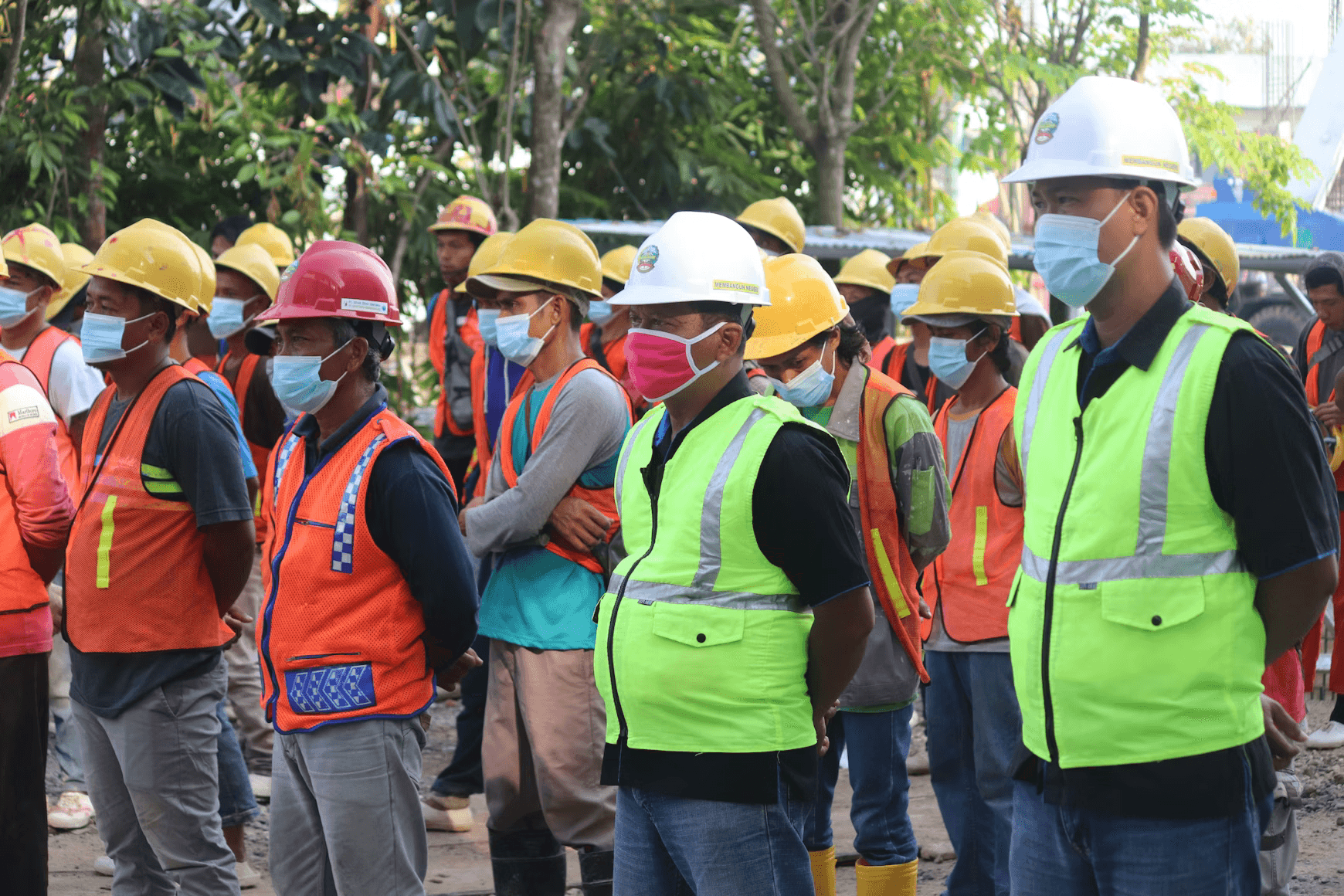
Social Empowerment: Building Inclusive Growth
Formalization of the e-waste workforce isn't corporate responsibility theater. It's economic multiplier effect in action. When informal collectors transition into formal, organized recovery systems, household incomes improve significantly, health outcomes improve dramatically, skills development creates upward mobility, and tax compliance strengthens municipal revenues. We measure success not just in tons recovered, but in lives elevated. Our partnerships have created pathways for thousands of workers into formal employment, with measurable gains in household stability, education access, and community health outcomes.
The Convergence
Circularity, urban mining, traceability, and social empowerment aren't separate initiatives. They're four vertices of a single strategic imperative: building business models that are simultaneously more profitable, more resilient, more transparent, and more equitable.
Companies that master this convergence will own the next decade.