Lithium-Ion Battery
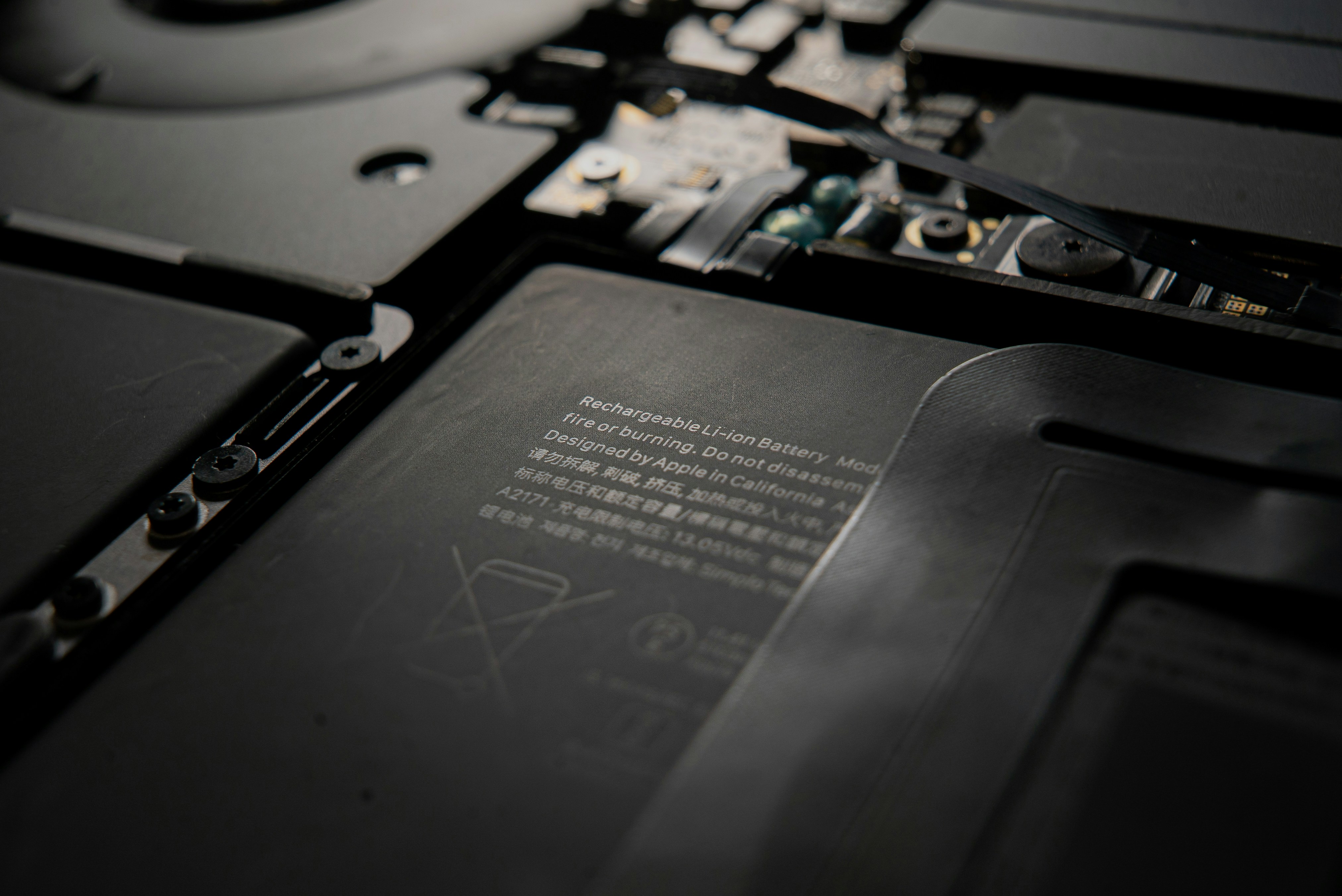
Lithium-Ion Battery
Overview
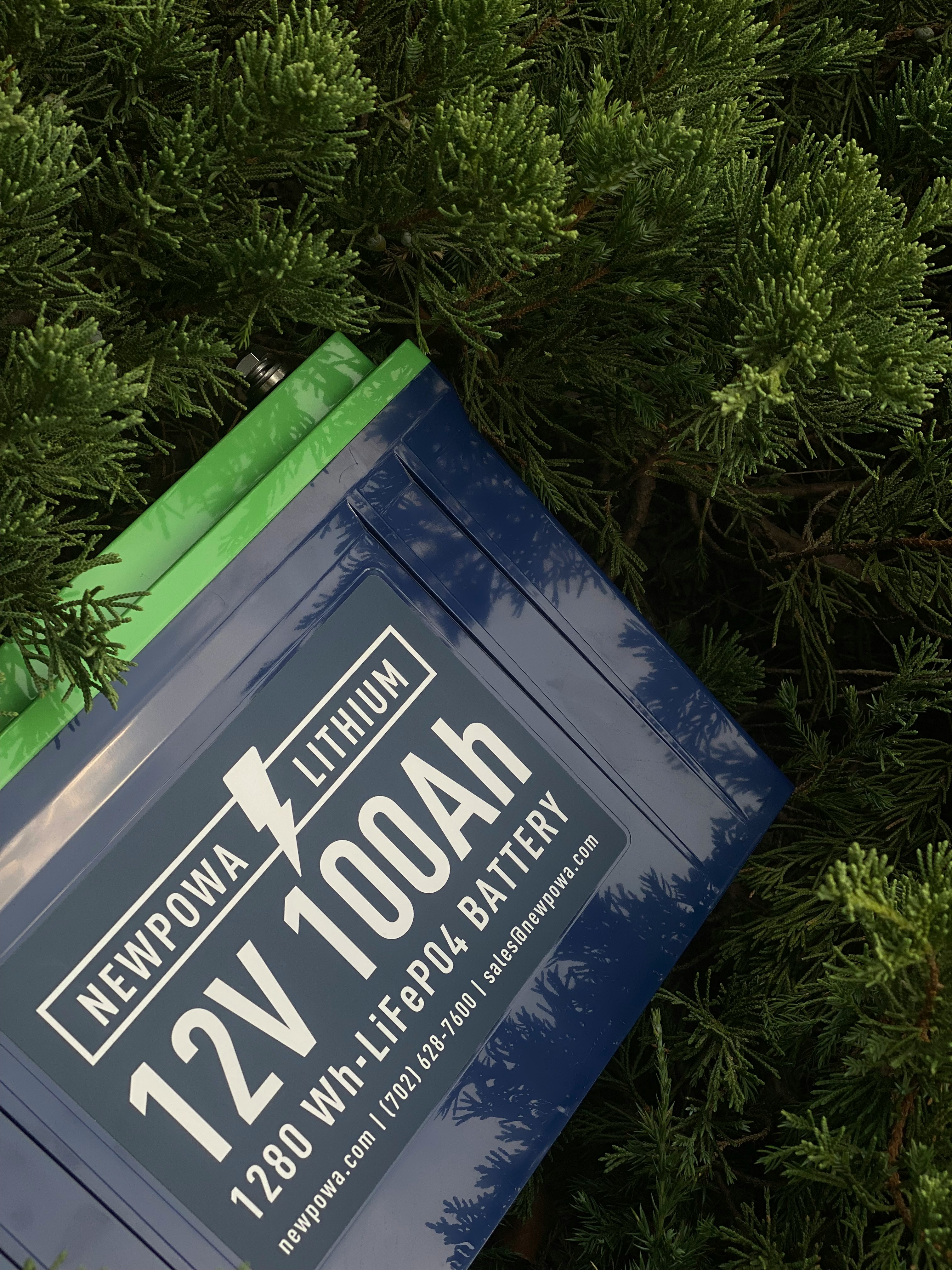
India's electrification ambitions are accelerating at an unprecedented pace. The country's demand for lithium-ion batteries is projected to surge from 15 GWh in 2025 to 127 GWh by 2030, driven by electric vehicles, battery energy storage systems, telecom infrastructure, and consumer electronics. But there's a critical question that most organizations haven't answered: what happens to these batteries at end of life?
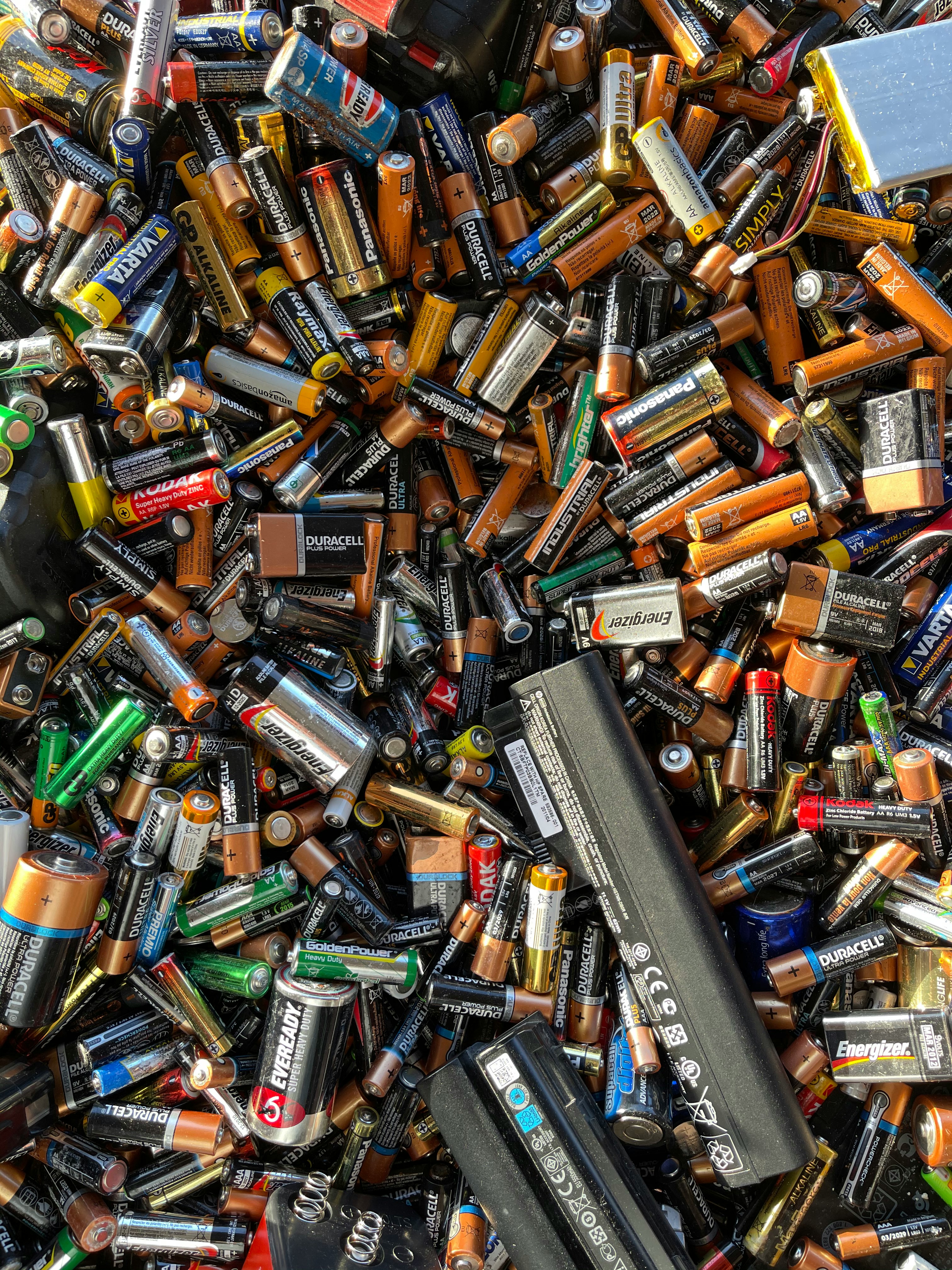
The answer, right now, is alarming. Only around 1% of discarded lithium-ion batteries in India are formally recycled. The rest accumulate in warehouses, enter informal channels, or end up in landfills, creating environmental hazards and wasting critical minerals that India desperately needs.
THE REGULATORY FRAMEWORK IS ALREADY HERE
The Battery Waste Management Rules (BWMR) of 2022, introduced by the Ministry of Environment, Forest and Climate Change, represent a fundamental shift. Built on Extended Producer Responsibility principles, these rules make every producer, importer, and seller of batteries responsible for their collection and recycling at end of life.
The targets are aggressive and non-negotiable. Recyclers must recover 70% of battery materials in FY 2024-25, 80% in FY 2025-26, and 90% from FY 2026-27 onwards. By FY 2027-28, producers must also incorporate minimum percentages of domestically recycled materials into new batteries; starting at 5% and increasing to 20% by 2030-31. Failure to meet these targets triggers Environmental Compensation penalties under the polluter-pays principle.
As of December 2025, the CPCB's battery EPR portal includes over 4,000 registered producers and nearly 500 registered recyclers, with the formal ecosystem expanding rapidly. The February 2025 amendments introduced mandatory QR codes on battery packs for digital traceability, making it harder than ever to operate outside the system.
WHY THIS MATTERS FOR ENTERPRISES
This isn't just an EV manufacturer's problem. Any organization that deploys, imports, or disposes of lithium-ion batteries faces exposure.
Corporate IT departments replacing UPS battery banks. Telecom operators managing thousands of tower backup batteries. Logistics companies operating electric delivery fleets. Hospitals with battery-powered medical devices. Data centres with massive energy storage deployments.
Each of these creates an end-of-life battery stream that requires documented, compliant disposal through authorized channels.
The financial implications are significant. Lithium-ion batteries contain recoverable lithium, cobalt, nickel, manganese, copper, and aluminium. With supportive policies, lithium-ion battery recycling in India could reach approximately Rs 31,150 crore (USD 3.5 billion) by 2030. Organizations treating spent batteries as waste are losing access to this value while simultaneously creating compliance risk.
INDIA'S CRITICAL MINERAL SECURITY ANGLE
There's a strategic dimension that makes battery recycling even more urgent. India currently imports 75% of its lithium-ion batteries from China, spending over USD 7 billion on Chinese LIB imports in the past five years. This dependency creates supply chain vulnerability, particularly given geopolitical tensions around critical mineral exports.
Battery recycling is increasingly viewed as a strategic lever to reduce import dependence, hedge raw material price volatility, and build domestic feedstock for India's growing cell manufacturing capacity. The government's Rs 1,500 crore critical mineral recycling incentive scheme and the PLI scheme for Advanced Chemistry Cell Battery Storage (USD 2.14 billion outlay) both signal that recycled battery materials will become a competitive advantage.
BUILDING A RECYCLING STRATEGY
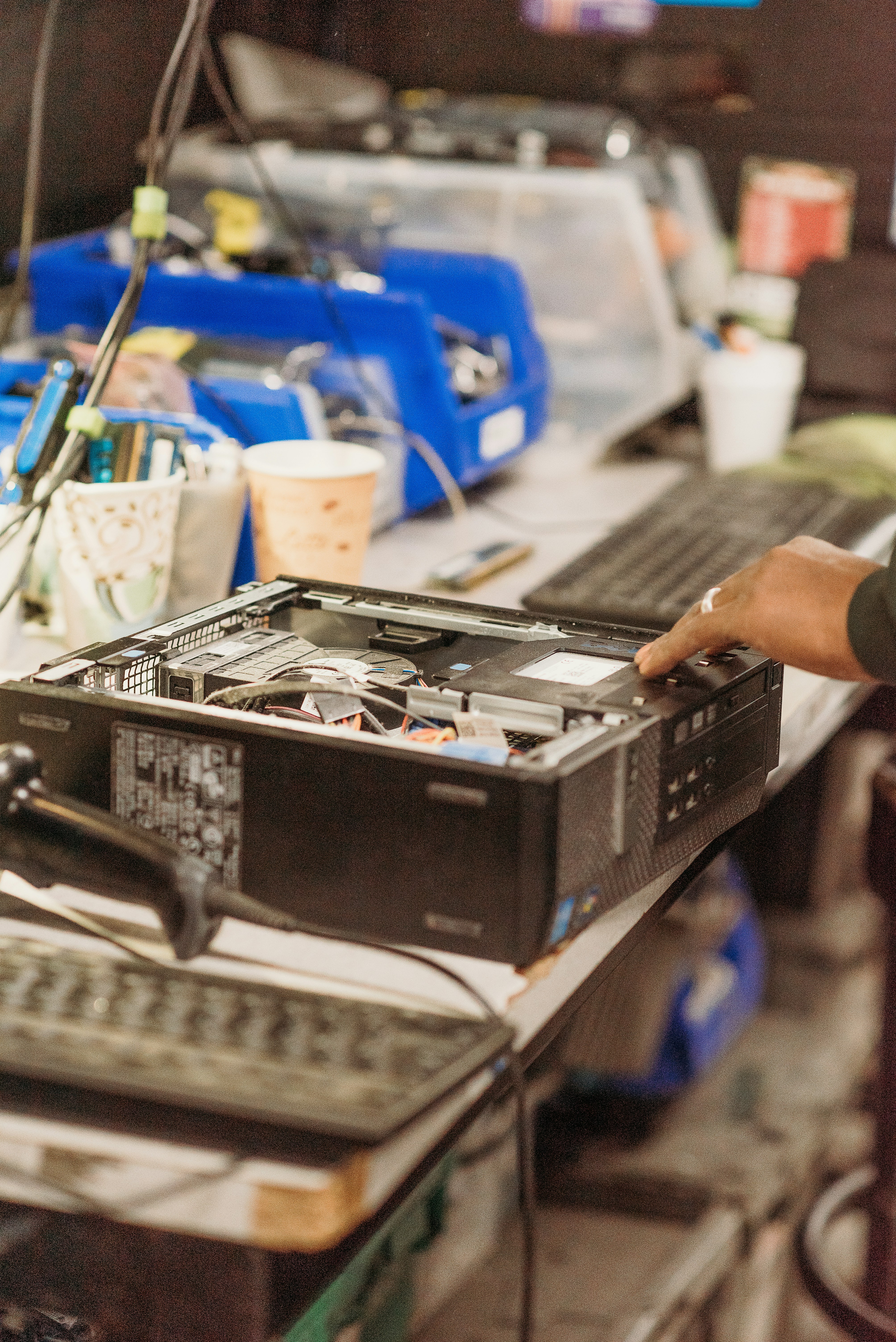
For organizations, the path forward involves several interconnected steps. Start with a comprehensive inventory of all battery assets- current deployments, projected end-of-life timelines, and chemistry types. Build reverse logistics for safe collection and transport. Partner with CPCB-registered recyclers who can provide EPR certificates and documented chain-of-custody. Establish compliance monitoring that tracks obligations quarterly, not just annually.
Smart organizations are treating this as an operational capability, not an annual compliance checkbox. Those that build battery lifecycle management infrastructure now, collection networks, recycler partnerships, compliance documentation systems and will hold a structural advantage as regulations tighten and recycled-content mandates take effect.
The lithium-ion battery wave is coming. The only question is whether your organization will be ahead of it or swept up by it.
Ready to Make a difference?
Join homeowners and businesses embracing sustainability.